Why Tiered Linking Is Not Just for Gray Hat SEO
Developments in Link Hierarchy for 2026
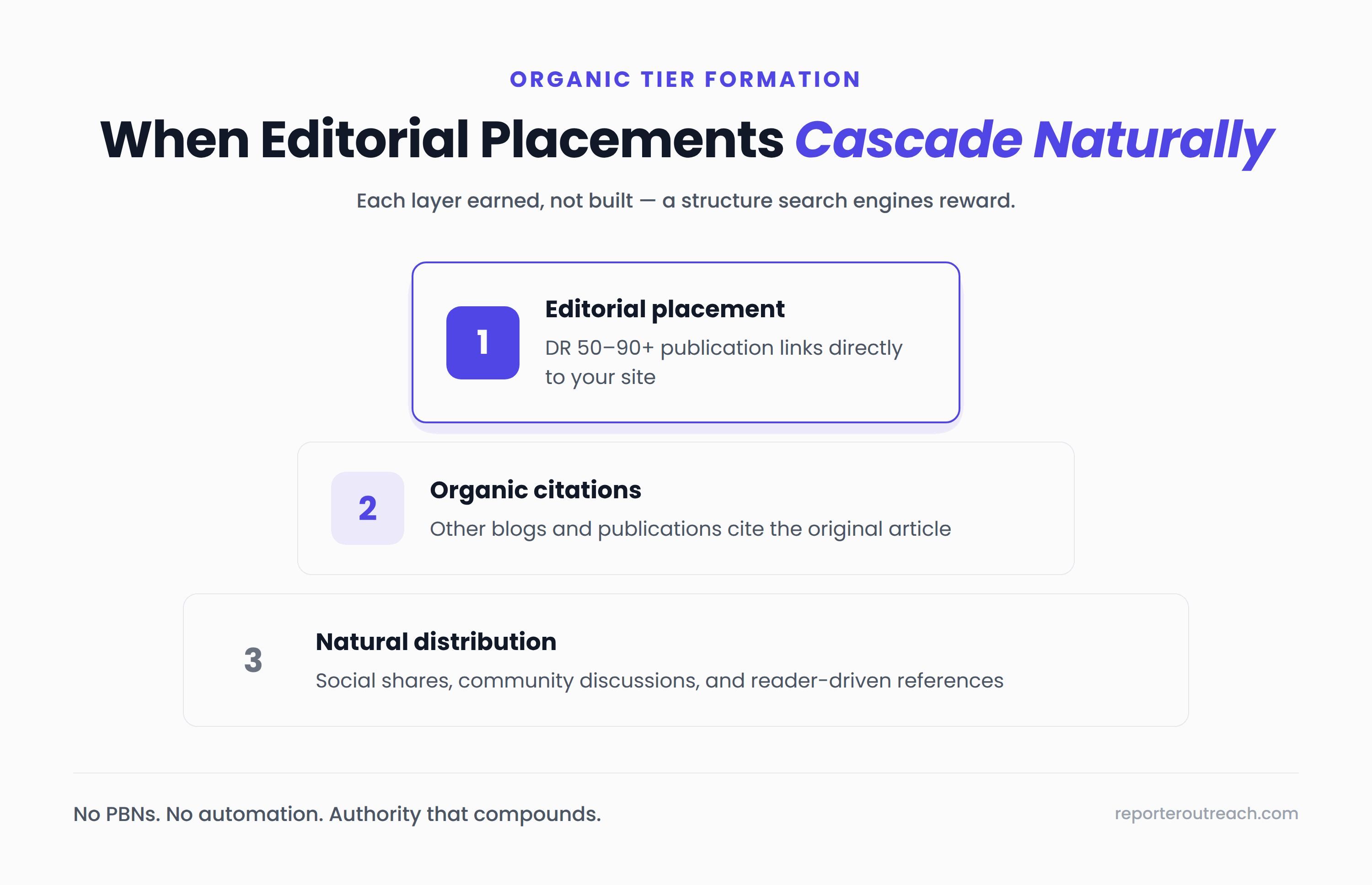
Browse engine algorithms in 2026 have actually moved focus toward entity verification and topical authority, making conventional backlink techniques less reliable when utilized in isolation. Modern SEO experts now depend on multi-layered structures that mimic natural development patterns through advanced automation. This tiered technique organizes links into unique levels of quality and purpose, making sure that the primary target receives filtered, high-relevance signals.Tiered connecting works by developing a pyramid of authority. On top sits the target website. The first tier consists of high-authority links that point directly to this website. The 2nd tier indicate those first-tier links, and a third tier supports the 2nd. This structure enables practitioners to utilize higher volumes of links at the lower levels while keeping the direct profile of the primary website clean and professional. In 2026, the success of this approach depends on the quality of content and the diversity of the platforms used at every level.
Technical Execution of Tier 1 Assets
The first tier remains the most delicate part of any automated technique. These links should originate from reputable sources with actual traffic and topical significance. Automation at this level includes determining ended domains with existing authority or using specific outreach software that deals with preliminary interactions. Top quality content for Asia Virtual Solutions RSS Review is important here, as search engines now utilize AI-driven classifiers to identify if a page provides real value to a reader.Common platforms for Tier 1 consist of:.
- Niche-relevant blogs with high domain rankings
- Authoritative news outlets or industry journals
- Developed social profiles with consistent engagement
- Edu and Gov resources where contextual positioning is possible
Preserving these properties requires regular updates and a focus on user experience. If a Tier 1 link sits on a page that online search engine neglect, the whole pyramid listed below it loses its efficiency. Automated systems in 2026 now keep an eye on the health of these top-tier placements, informing users if a page is de-indexed or if the link attributes change.
Scaling Tier 2 with Contextual Significance
The 2nd tier functions as the engine of the method. Its task is to enhance the Tier 1 links by providing them with more authority and relevance. Automation tools for 2026 have ended up being better at generating special material that avoids common footprints. These tools use specific APIs to pull real-time data and news, ensuring that every Tier 2 short article feels current and tied to the 2026 environment.Rather than using identical text throughout several websites, contemporary systems employ dynamic synthesis. This includes creating countless variations of a short article that all indicate the exact same set of Tier 1 URLs. The focus on Asia Virtual Solutions RSS SEO Automation Review has helped many business preserve their rankings in spite of the increasing trouble of the search environment. By differing the anchor text and the surrounding material, these systems avoid the detection of automated patterns.
Handling Footprints in Automated Systems
Detection is the most significant risk in any automated link-building campaign. Online search engine look for patterns in IP addresses, hosting providers, registration dates, and even the CSS structure of the websites. To counter this, 2026 automation suites utilize cloud-based circulation models. These systems spread the link profiles throughout thousands of different servers and utilize randomized browser fingerprints to make the automated publishing appear like manual user activity.Randomization need to occur at every possible information point. This consists of the time of day a link is published, the length of the material, the variety of images used, and the ratio of internal to external links. An expert setup prevents using the same set of usernames or email addresses for account development. Instead, it utilizes decentralized identity services to develop special, verifiable personalities for every single platform.
The Role of Tier 3 and Indexation
Tier 3 is typically misunderstood as easy spam. In 2026, nevertheless, even Tier 3 requires a level of quality to be reliable. This bottom layer normally consists of social bookmarks, directory site listings, and online forum points out. Their main function is to guarantee that the Tier 2 links are discovered and crawled by search engine bots. Without Tier 3, many Tier 2 links may stay unindexed, squandering the effort took into their creation.Efficiency in Tier 3 comes from speed and volume. Automated tools can blast thousands of signals to Tier 2 URLs in a matter of minutes. However, the most successful techniques drip-feed these links over numerous weeks. This progressive boost in exposure looks more natural and helps develop a history of growing interest in the content. Online search engine are more most likely to trust a page that sees a constant rise in mentions rather than an abrupt, inexplicable spike.
Information Analysis and Performance Monitoring
Link structure is no longer a "set and forget" task. Effective projects in 2026 usage real-time analytics to adjust their tiers based on performance. If a specific cluster of Tier 2 websites is not passing authority, the system should automatically pivot to a different specific niche or platform type. Tracking tools now track the "link juice" circulation through the entire pyramid, providing a clear view of which tiers are offering the most benefit.Key metrics to keep track of consist of:.
- Indexation rate of each tier
- Domain Authority (DA) or comparable metrics of the linking websites
- Recommendation traffic patterns from automated positionings
- Changes in keyword rankings for the target site
- The ratio of followed to no-follow links across the profile
By analyzing these data points, SEO professionals can improve their automation settings. This might suggest increasing the content length for a particular tier or changing the frequency of the Tier 3 signals. The goal is to create a self-sustaining system that adapts to the modifications in the 2026 search environment without manual intervention.
Entity Association and Semantic Search
Online search engine in 2026 do not just count links. They look at the relationship in between entities-- people, locations, and things. When an automated system positions a link, it likewise requires to place the surrounding "entities" properly. If the target site has to do with sustainable energy, the automatic content in Tiers 1 and 2 must discuss pertinent 2026 innovations, industry leaders, and current events.This semantic method ensures that the links are contextually appropriate. A link from a page about photovoltaic panels to a site about solar panel setup is far more powerful than a generic link from a random blog. Automation tools now consist of entity-injection modules that automatically research and include these associated terms in the produced text. This strengthens the topical bond between the tiers and the primary website.
Strategic Diversification of Link Types
A healthy profile does not count on simply one kind of link. In 2026, a mix of diverse platforms is required to avoid algorithmic flags. This suggests combining article with image descriptions, video comments, profile links, and even automated guest appearances on podcasts or news sectors. Each kind of link carries a various weight and serves a various purpose in the overall strategy.Automation allows for this diversity at a scale that was formerly impossible. A single project can manage five various platforms at the same time, making sure that the link profile stays well balanced. This range makes the automated footprint much more difficult to track and provides the online search engine a wider range of signals to process. When the link profile appears like a chaotic however naturally taking place set of mentions, it is even more durable to updates.
Future-Proofing Link Structures
The search environment will continue to change, however the core concepts of authority and relevance remain consistent. Constructing a tiered system in 2026 needs a forward-thinking approach that focuses on the long-lasting health of the domain. While automation provides the power to scale, human oversight is still needed to set the initial specifications and specify the total goals.Investing in high-quality automation tools that provide transparency and control is the best way to guarantee success. These tools need to offer in-depth logs of every action taken and enable easy adjustments to the method. As online search engine end up being more adept at identifying low-quality automation, the specialists who concentrate on sophisticated, multi-layered, and entity-aware strategies will continue to see the very best results. Success in 2026 is not about how many links you can build, however how well you can hide the fact that they were automated.